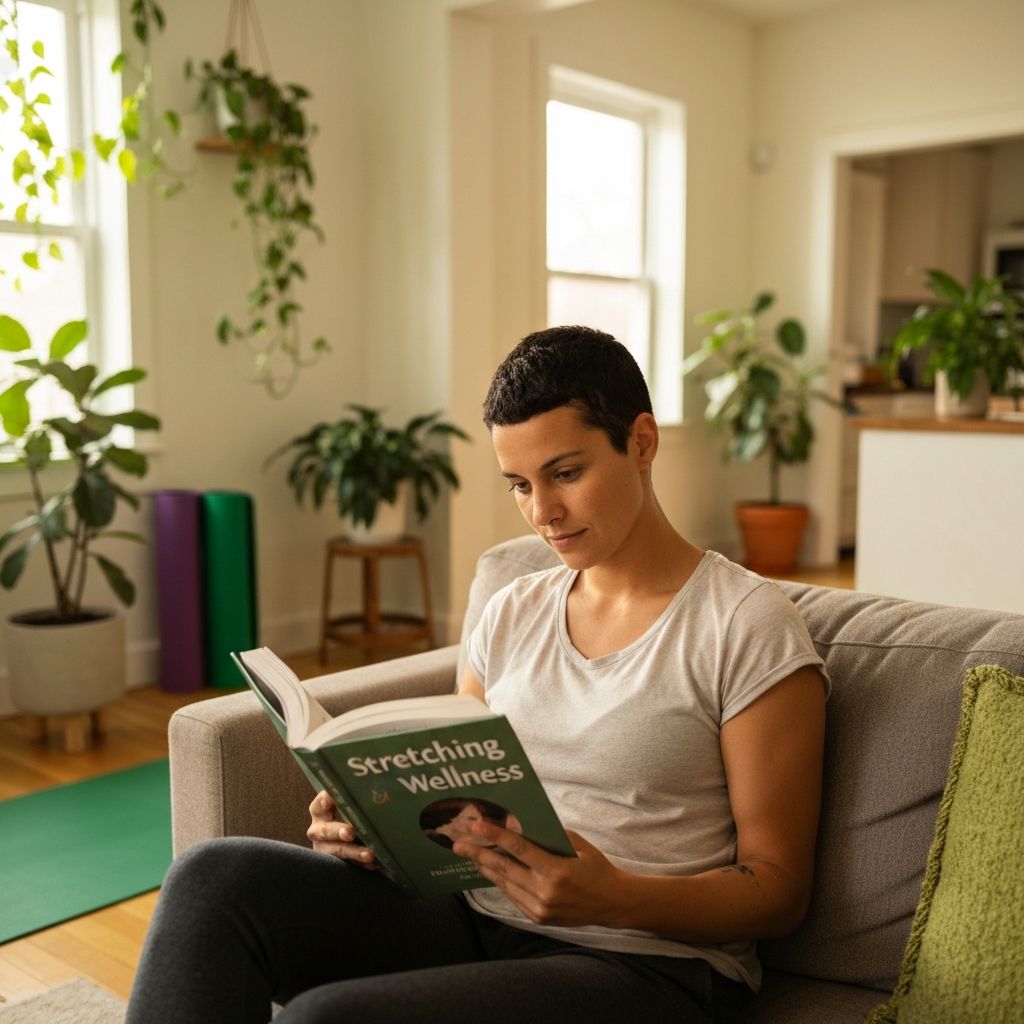
Understanding At-Home Stretching for Daily Comfort
An educational resource exploring flexibility routines, gentle mobility exercises, and the fundamentals of stretching techniques that many people incorporate into their daily lives.
Educational content only. No medical services. No promises of outcomes.
Learn More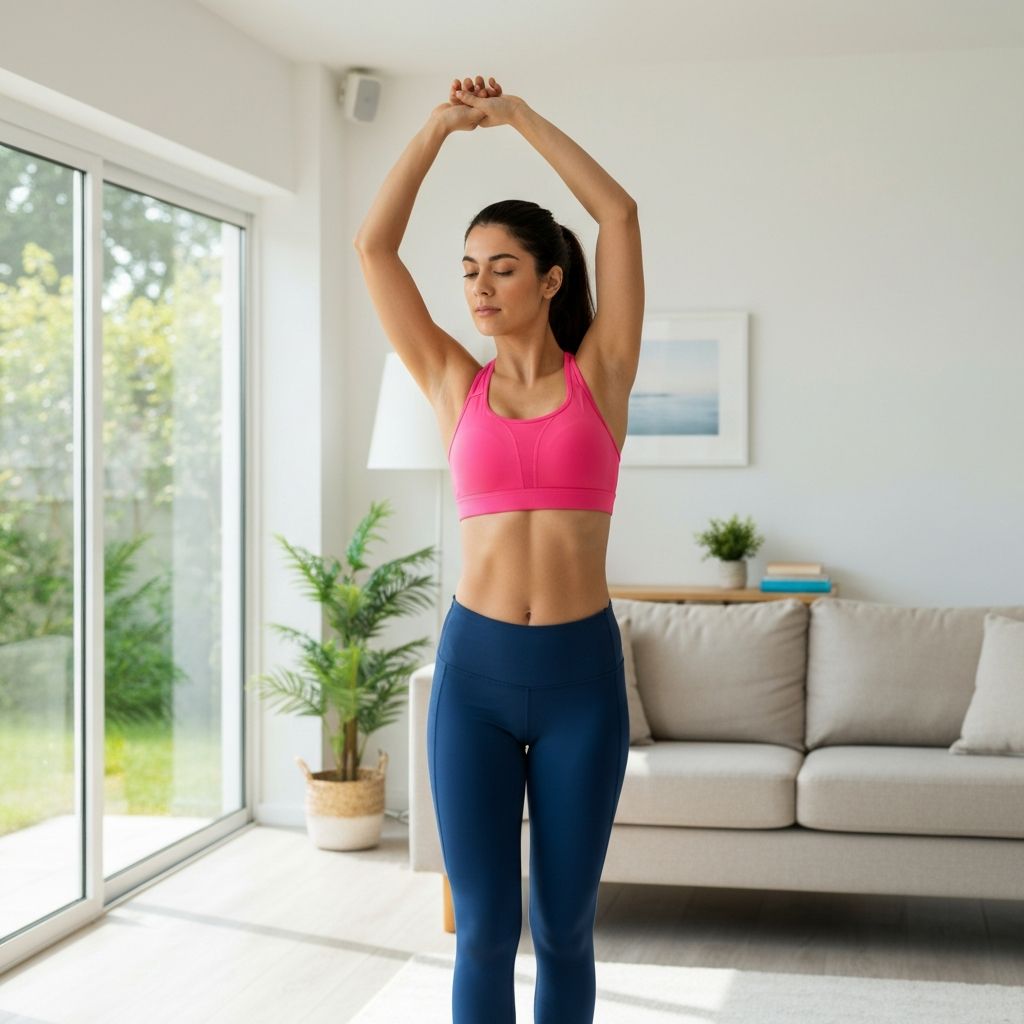
Introduction to Stretching
Stretching is a form of physical activity that involves extending muscles and soft tissues to their full length. People around the world incorporate stretching into their daily routines for various reasons, often as part of a broader approach to maintaining physical comfort.
The practice of stretching has been documented across many cultures and time periods. From traditional Eastern practices to modern fitness approaches, the act of deliberately extending the body has been a consistent element of human physical activity.
This resource provides educational information about common stretching techniques and routines. The content presented here is intended to explain concepts and describe practices, not to provide personalized recommendations or replace individual judgment about physical activities.
Information Context
The materials on this page are educational in nature. They describe general concepts about stretching that are commonly discussed in publicly available resources. Individual experiences with stretching vary widely, and this content does not constitute personalized guidance.
Benefits of Daily Flexibility
Commonly discussed aspects of regular stretching routines
Range of Motion
Regular stretching is often associated with maintaining or improving the range of motion in joints. Many fitness resources discuss how consistent flexibility work may help keep joints mobile.
Muscle Relaxation
Stretching routines are frequently described as a way to help muscles feel less tense. Many people report subjective feelings of relaxation after stretching sessions.
Daily Comfort
Those who stretch regularly often describe improvements in how their body feels during daily activities. Experiences vary among individuals based on many factors.
Posture Awareness
Stretching routines sometimes include exercises that promote awareness of body positioning. This awareness may contribute to more mindful posture habits.
Circulation
Physical activity, including stretching, is generally understood to promote blood flow to the areas being moved. This is a commonly discussed aspect of flexibility exercises.
Mindfulness
Many stretching practices incorporate elements of breath awareness and mental focus. This mindful approach is often cited as a complementary benefit of flexibility routines.
Neck and Back Stretch Routines
Common stretching techniques for the upper body
Neck Mobility Exercises
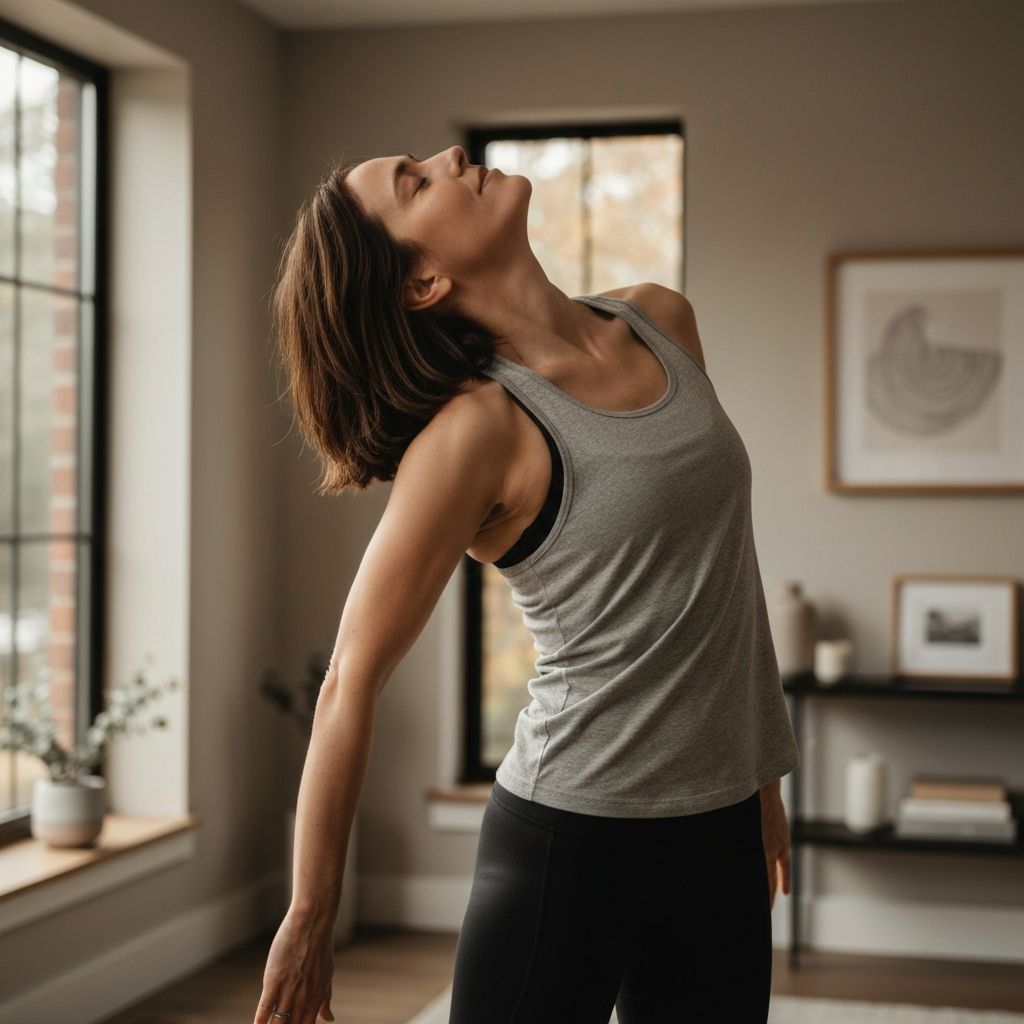
Neck stretches typically involve gentle movements that take the head through its natural range of motion. Common movements include:
- Lateral neck tilts - slowly bringing the ear toward the shoulder
- Neck rotations - gently turning the head from side to side
- Chin tucks - drawing the chin back while keeping the spine neutral
- Neck extensions - carefully looking upward to stretch the front of the neck
These movements are generally performed slowly and without forcing any position. The neck contains delicate structures, so gentle approaches are typically emphasized.
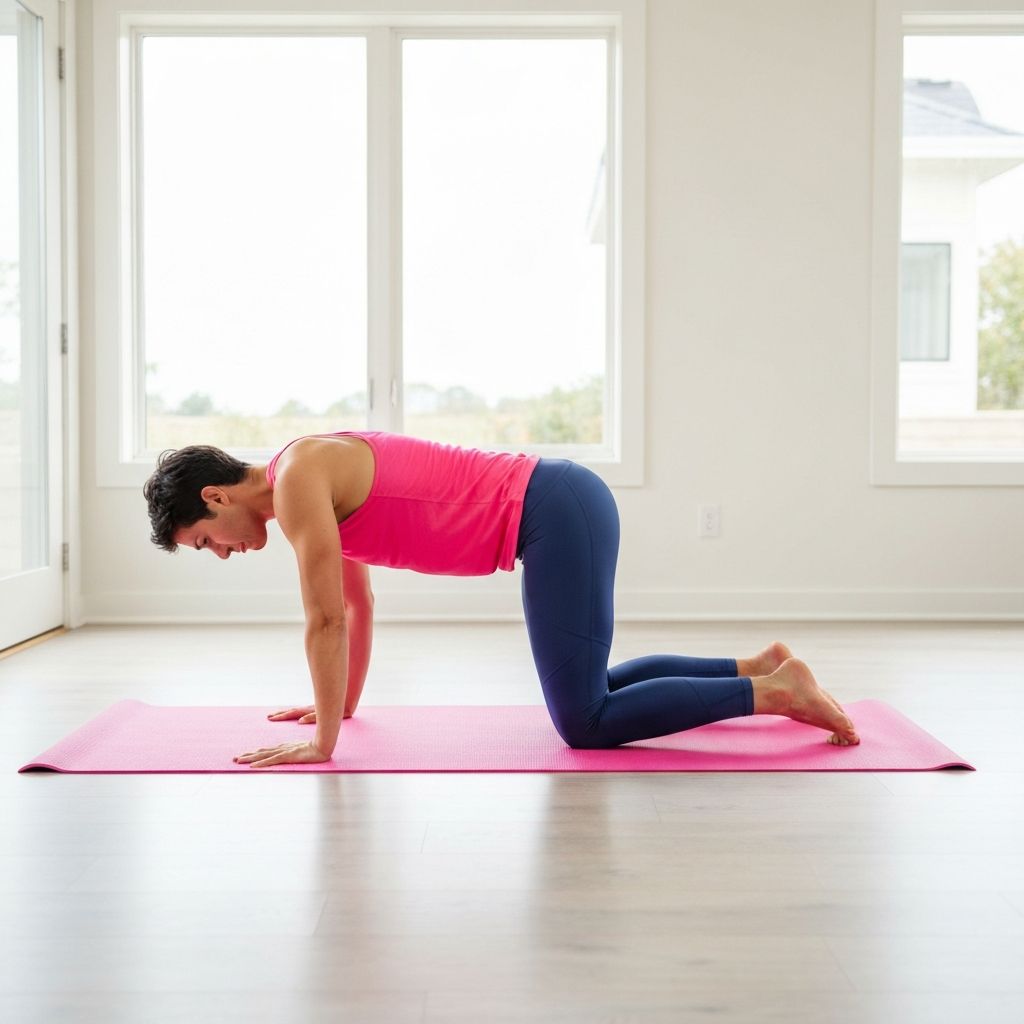
Upper Back Stretches
The upper back area can hold tension, particularly for those who spend time at desks or computers. Stretches commonly discussed for this area include:
- Cat-cow movements - alternating between arching and rounding the spine
- Thread the needle - rotating the upper spine while on hands and knees
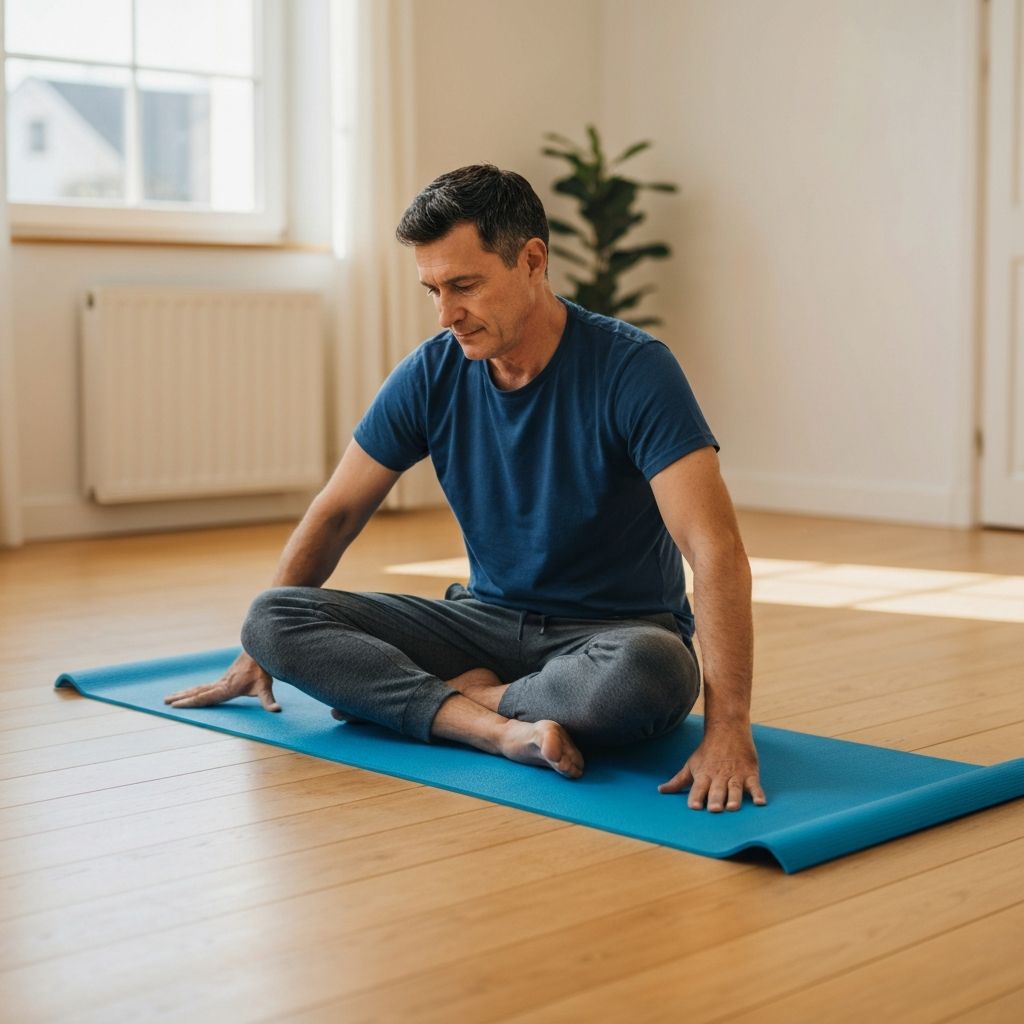
- Seated twists - gentle rotational movements while sitting
- Child's pose - a resting position that extends the back muscles
These stretches are often incorporated into morning or evening routines. Many people find that consistent practice helps them maintain comfort throughout the day.
Spinal Mobility
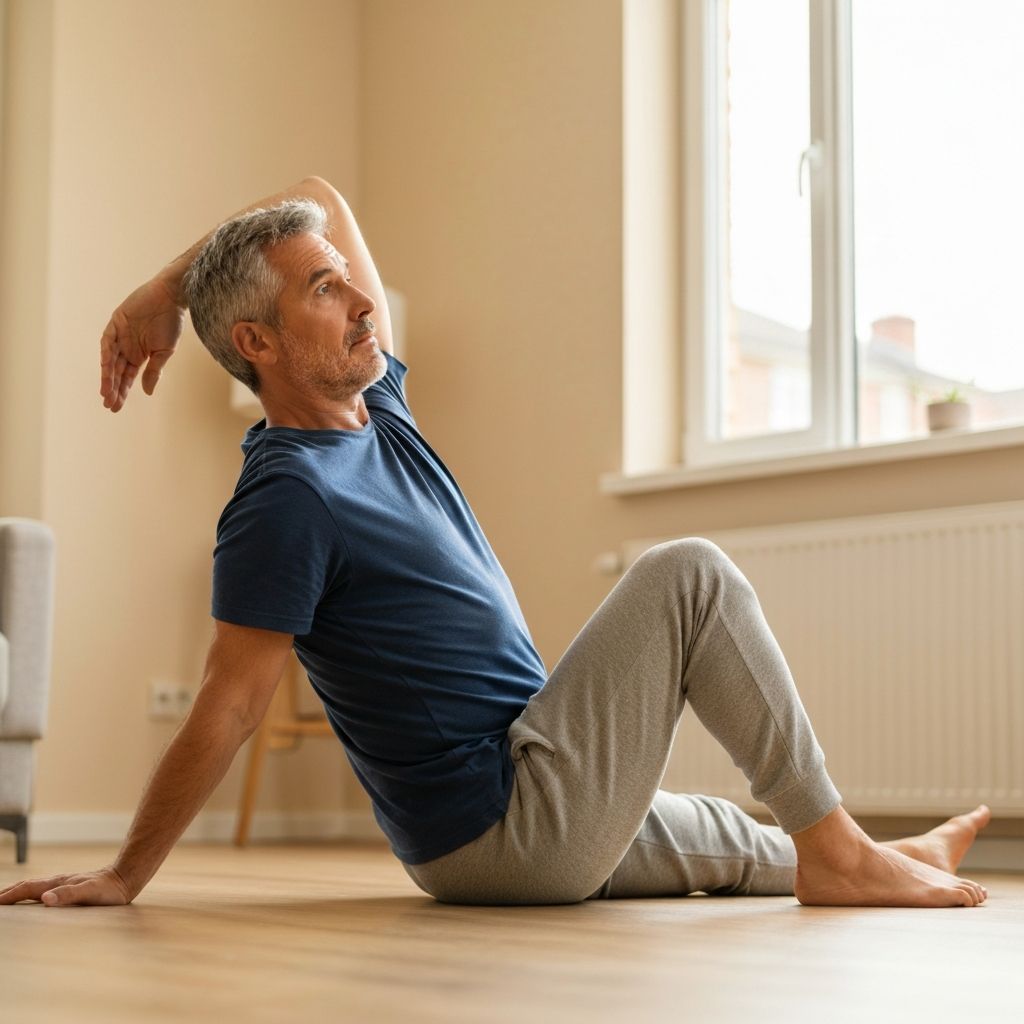
The spine is designed to move in multiple directions - flexion, extension, lateral bending, and rotation. Stretching routines often include movements that address each of these directions:
- Forward folds - bending forward to stretch the posterior chain
- Gentle backbends - creating extension in the spine
- Side bends - stretching the lateral muscles of the torso
- Rotational movements - twisting exercises for spinal mobility
A balanced approach typically includes movements in all directions. This variety is often recommended in general fitness literature about flexibility.
Limitations and Context
The stretches described above are general movements commonly found in fitness resources. Individual needs and capabilities vary. This information is educational and does not replace personal judgment about which activities are appropriate for any individual.
Shoulder and Arm Mobility
Exploring upper extremity flexibility concepts
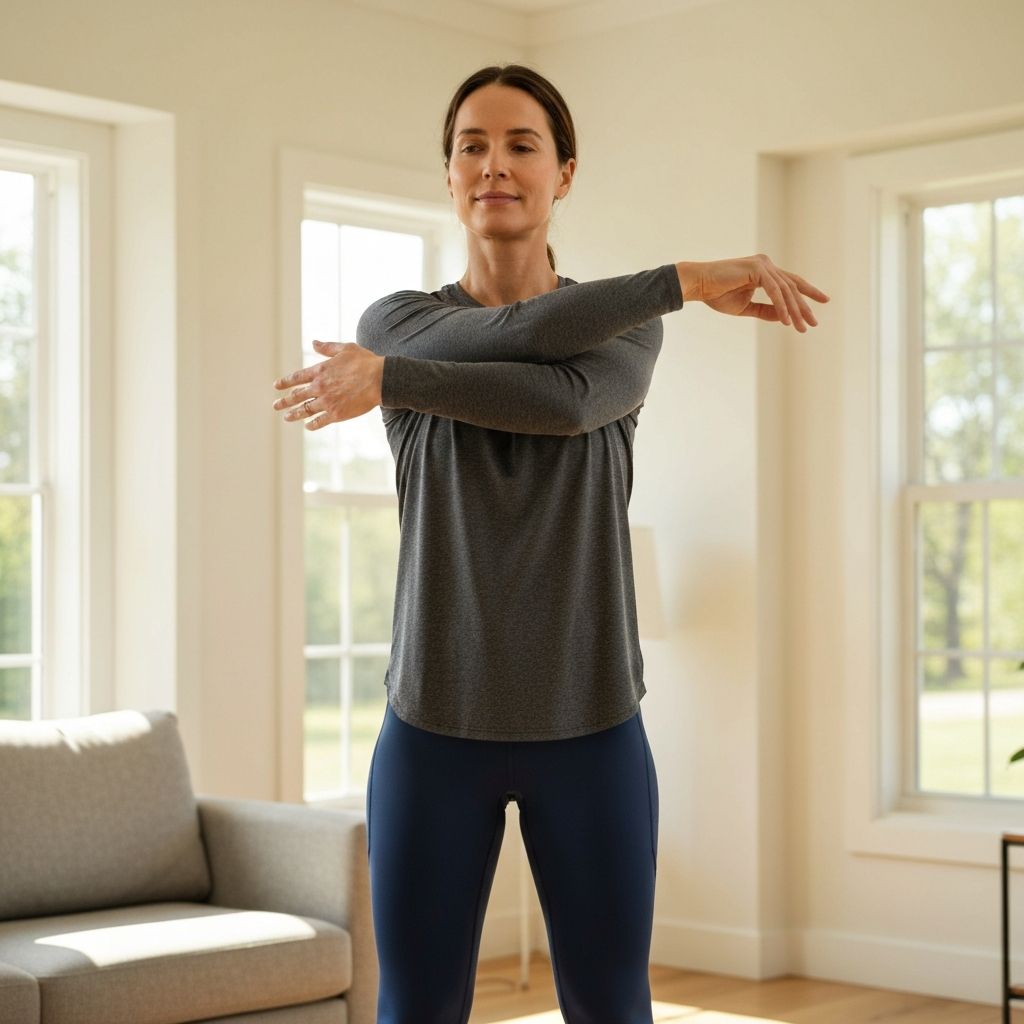
Shoulder Stretches
The shoulder is one of the most mobile joints in the body. Common stretches for this area include cross-body pulls, doorway stretches, and arm circles. These movements are designed to address the various muscles that support shoulder function.
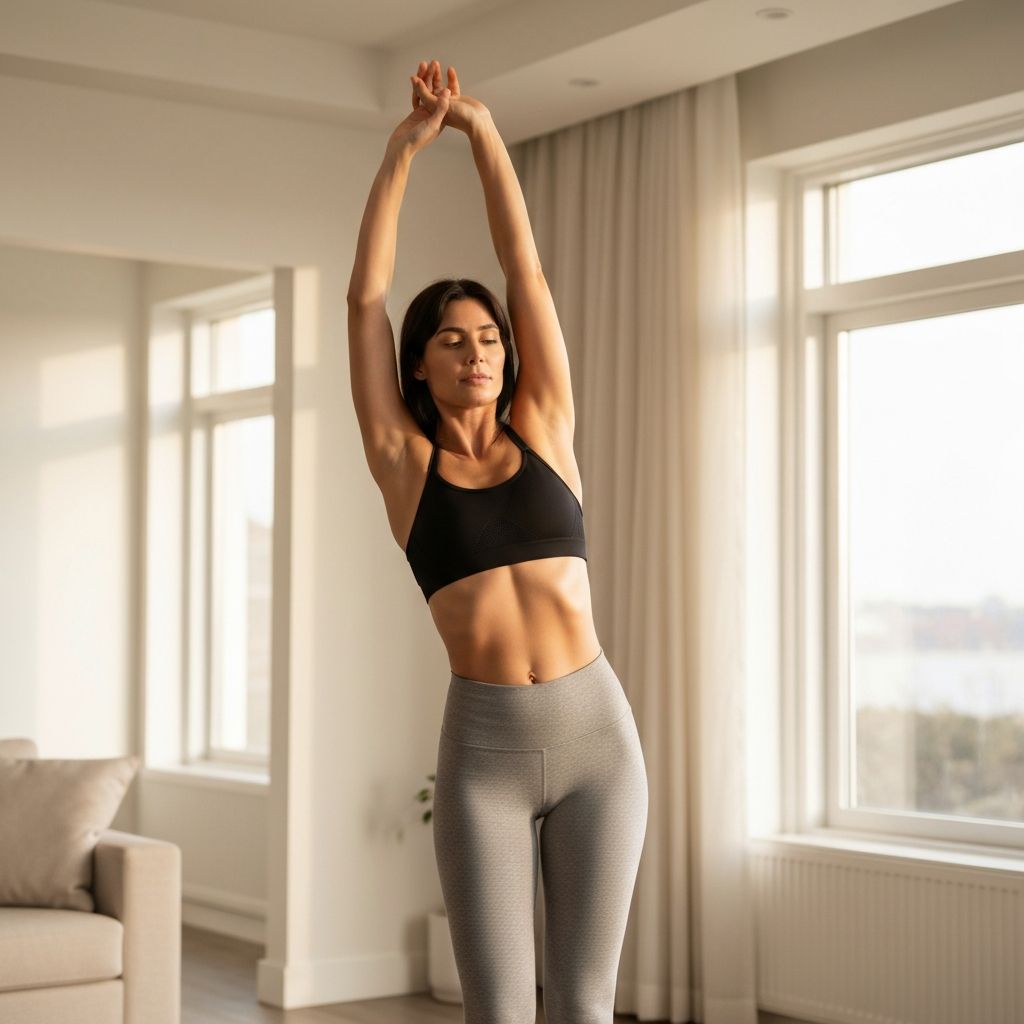
Arm Extensions
Arm stretches often focus on the triceps, biceps, and the muscles of the forearm. Overhead tricep stretches, bicep wall stretches, and forearm extensions are commonly included in upper body flexibility routines.
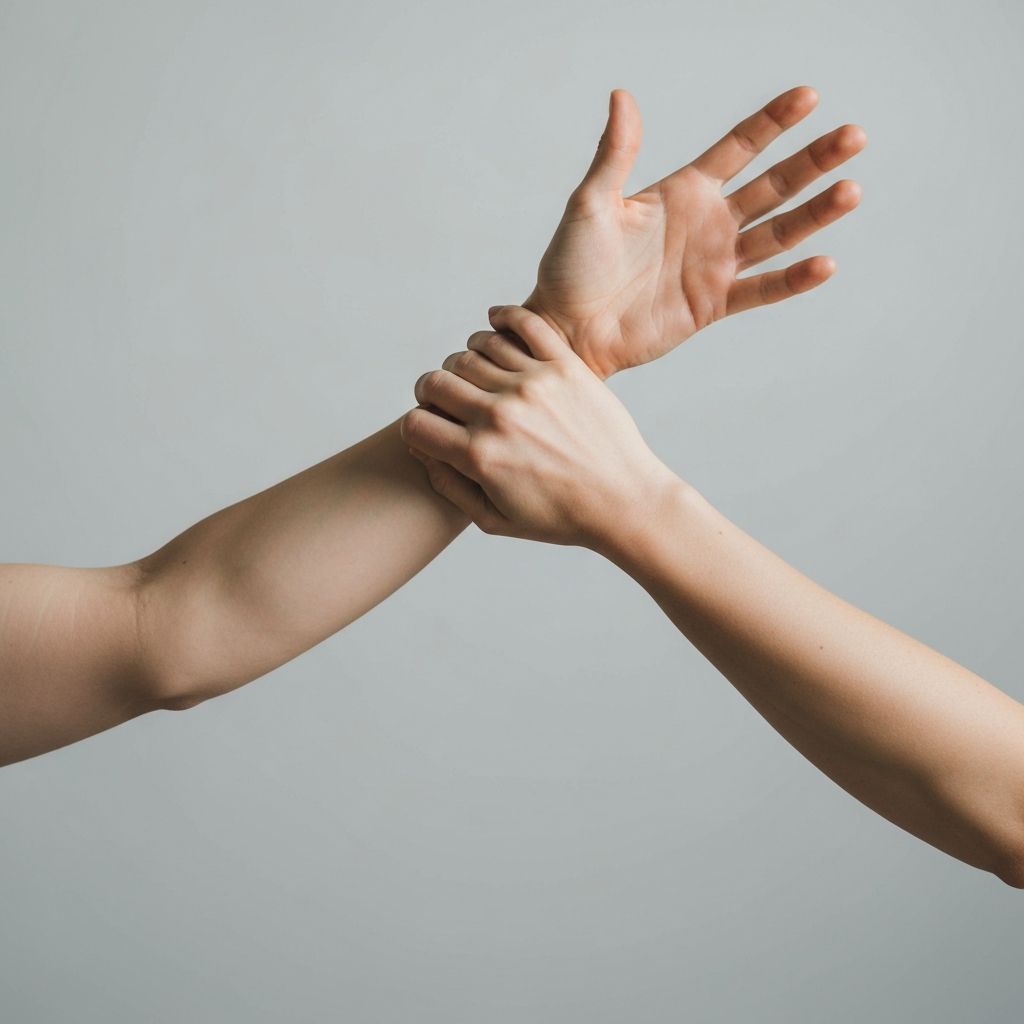
Wrist and Hand Mobility
The wrists and hands contain many small joints and muscles. Wrist circles, finger spreads, and gentle wrist extensions are often recommended for those who use their hands extensively in daily activities.
Approach Diversity
There are many different approaches to shoulder and arm flexibility. What works well for one person may not be suitable for another. The techniques described here represent commonly discussed methods, not definitive recommendations.
Core and Hip Stretches
Understanding flexibility in the body's center
Hip Flexibility
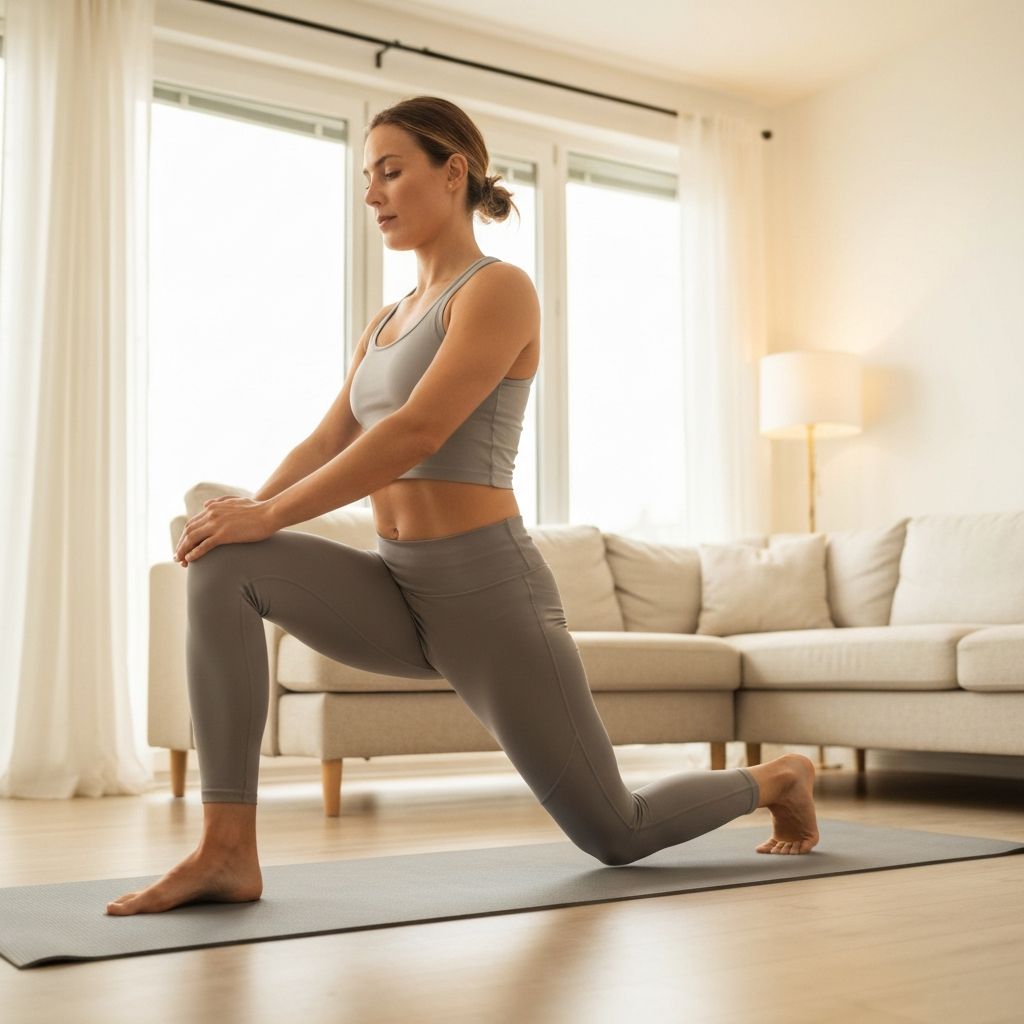
The hips are central to many daily movements, from walking to sitting. Common hip stretches include:
- Hip flexor stretches - often performed in a kneeling lunge position
- Piriformis stretches - targeting the deep hip rotators
- Hip circles - gentle rotational movements of the hip joint
- Butterfly stretch - addressing the inner thigh and hip area
Core Stretches
The core muscles support the spine and pelvis. Stretches for this area often include:
- Abdominal stretches - gentle extension of the front body
- Oblique stretches - side bending movements
- Lower back releases - positions that gently decompress the lumbar area
Core and hip flexibility are often addressed together, as these areas work in coordination during movement.
Morning and Evening Routine Tips
Concepts about timing flexibility practice
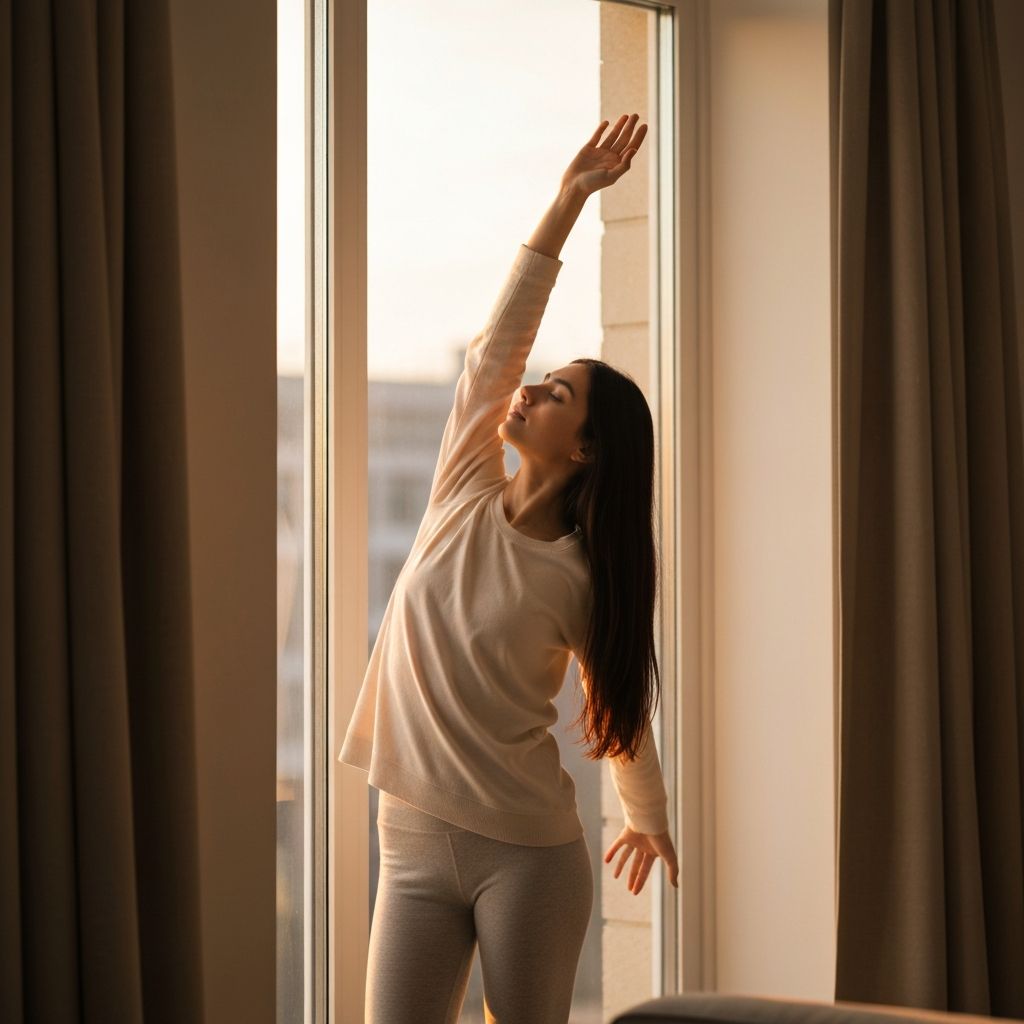
Morning Considerations
Many people incorporate stretching into their morning routines. Some commonly discussed aspects of morning stretching include:
- Starting gently, as the body may feel stiffer after sleep
- Focusing on movements that help transition from rest to activity
- Using breath to guide gradual increases in range
- Keeping sessions brief but consistent
Evening Approaches
Evening stretching routines are often described as having different characteristics:
- Potentially deeper stretches, as the body has warmed up through daily activity
- Focus on releasing tension accumulated during the day
- Incorporation of relaxation and breath work
- Preparation for restful sleep
The timing of stretching is a matter of personal preference and schedule. Both morning and evening approaches are commonly practiced.
Light Equipment Guidance
Common tools used in stretching routines
Yoga Mat
A non-slip surface for floor-based stretches. Provides cushioning for knees and comfort during seated or lying positions.
Resistance Bands
Elastic bands that can assist with stretches by providing gentle support or resistance. Available in various tension levels.
Foam Roller
A cylindrical tool used for self-massage and certain stretching positions. Often used for back and leg areas.
Yoga Blocks
Supportive props that can bring the floor closer during certain stretches. Helpful for those building flexibility gradually.
Stretching Strap
A long fabric strap that helps extend reach during stretches. Useful for hamstring and shoulder flexibility work.
Equipment Note
Equipment is not required for basic stretching routines. Many effective stretches can be performed without any tools. The items listed above are simply common options that some people find helpful.
Frequently Asked Questions
Common questions about stretching concepts
Frequency of stretching varies widely among individuals. Some fitness resources suggest daily stretching, while others recommend several times per week. The appropriate frequency depends on individual factors, goals, and how the body responds to stretching activities.
Session duration varies considerably. Some people practice brief 5-10 minute routines, while others engage in longer sessions of 30 minutes or more. The duration often depends on available time, specific areas being addressed, and personal preferences.
General fitness literature typically distinguishes between mild stretching sensation and sharp or intense discomfort. Most resources suggest that stretching should not cause sharp or significant discomfort. The phrase "no pain, no gain" is generally not applied to flexibility work in contemporary fitness guidance.
Yes, several types of stretching are commonly discussed: static stretching (holding positions), dynamic stretching (controlled movements), PNF stretching (contract-relax techniques), and ballistic stretching (bouncing movements). Each type has different characteristics and is often recommended for different purposes or times.
Many factors are understood to influence flexibility, including age, activity level, body structure, temperature, time of day, hydration, and individual variation. Flexibility is highly individual, and comparisons between people may not be meaningful given these many variables.
Explore More About Flexibility
This resource provides foundational information about stretching concepts. Continue reading to learn more about specific techniques and approaches to at-home flexibility routines.
Learn More About FlexicaGet in Touch
Have questions about the educational content on this site? Send us a message.
Contact Information
Flexica
Národní 12, Prague, Czechia
Phone: +420 721 958 432
Email: [email protected]
Response Time
We aim to respond to inquiries within 48 hours during business days. Please note that we provide educational information only and cannot offer personalized guidance.
Additional Resources
Further reading on flexibility and stretching topics
The field of flexibility and stretching is well-documented in various publicly available resources. For those interested in learning more, the following types of resources may be helpful:
- Fitness education websites and publications
- Public library resources on exercise and movement
- Community education programs on physical activity
- General wellness publications and periodicals
This website aims to provide a starting point for understanding stretching concepts. The information presented here is based on commonly available educational materials about flexibility and mobility.
Read Detailed Instructions